Cheese is a culinary delight that requires proper storage to maintain its texture, flavor, and freshness. Whether you’re a fan of soft, hard, or fresh cheeses, understanding the best preservation methods is essential. Let’s explore effective techniques to store different cheeses and prevent spoilage.
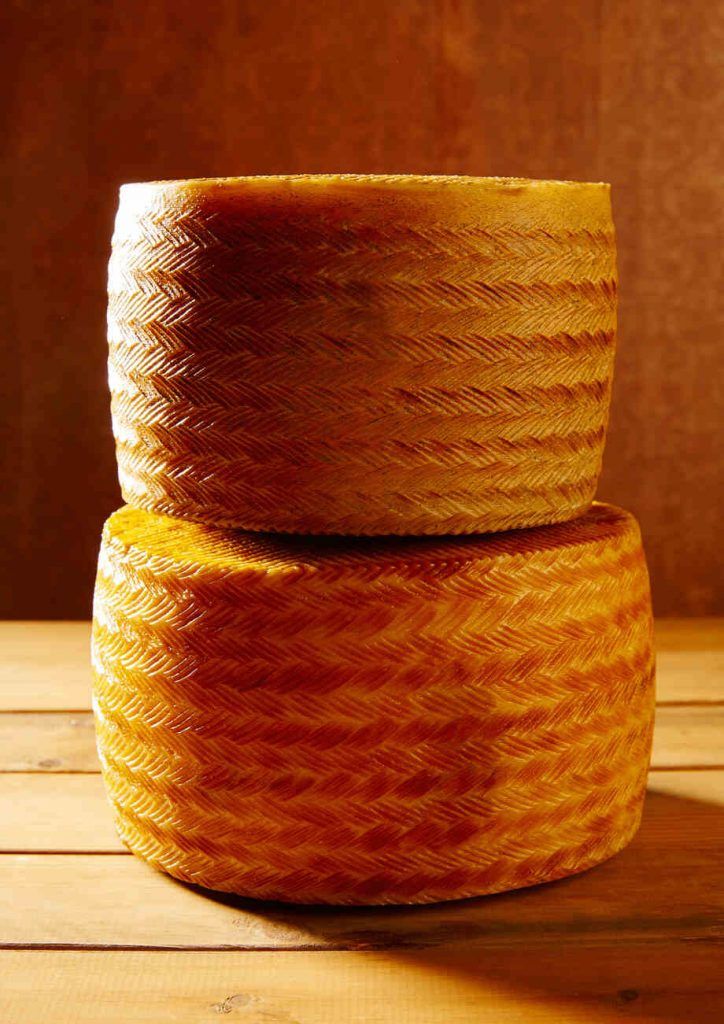
Why Does It Matter How to Preserve Cheese?
Cheese is a living food with millions of microorganisms that contribute to its unique taste and texture. Without proper storage, heat or cold can disrupt these organisms, altering the cheese’s quality. Preserving cheese correctly ensures it stays fresh, flavorful, and safe to consume.
How Long Does a Well-Preserved Cheese Last?
- Soft Cheeses: Due to their high water content, soft cheeses like Goat cheese and Camembert last 15–20 days.
- Semi-Soft Cheeses: Cheeses like Murcia al Vino, Iberico, and Mahon fall into this category. With moderate moisture levels, they can last 3–4 weeks if stored under optimal conditions.
- Hard Cheeses: These can remain fresh for several months if stored properly, thanks to their lower water content.
Different Storage Methods for Different Cheeses
When cheese is left at room temperature or in contact with heat, it tends to sweat. This causes it to lose fat and, consequently, produces a change in the texture and flavor. Therefore, it is necessary to keep cheese refrigerated most of the time to preserve and maintain its properties.
Hard Cheeses
Hard cheeses like Idiazabal, Parmesan and Manchego are less prone to spoilage. They can be stored at slightly warmer temperatures between 8°C and 15°C (46°F to 59°F).
Soft Cheeses
Soft cheeses, such as Gorgonzola and Camembert, need cooler temperatures, ideally between 4°C and 8°C (39°F to 46°F). Always wrap them well to retain their moisture.
Fresh Cheeses
Fresh cheeses like ricotta or feta should be stored in the coldest part of the fridge at 4°C (39°F) to prevent spoilage.
6 Methods to Preserve Cheese at Home
Now that we have differentiated cheeses into two large groups and we have seen the temperature to preserve cheese according to its type of paste, we are going to give you tips to preserve cheese correctly. A very important aspect to consider is that the fat in cheese absorbs the flavors. So, we must have suitable wrapping or containers when storing it in the refrigerator.
1. Cling Film
Using cling film is one of the simplest ways to store cheese. Wrap it tightly to eliminate air pockets, which can lead to mold growth. Ensure the film adheres closely to the cheese to prevent drying.

2. Waxed Paper or Baking Paper
Waxed or baking paper is excellent for maintaining cheese freshness. It protects cheese from moisture and unwanted odors while allowing it to breathe.
3. Airtight Containers
Store cheese in airtight containers to lock in freshness. For soft cheeses, place a paper towel inside to absorb excess moisture. Replace the towel every few days to prevent spoilage.
4. Damp clothes
Preserve mold-ripened cheeses by wrapping them in a damp cloth. This traditional method keeps the cheese moist while preventing it from drying out.
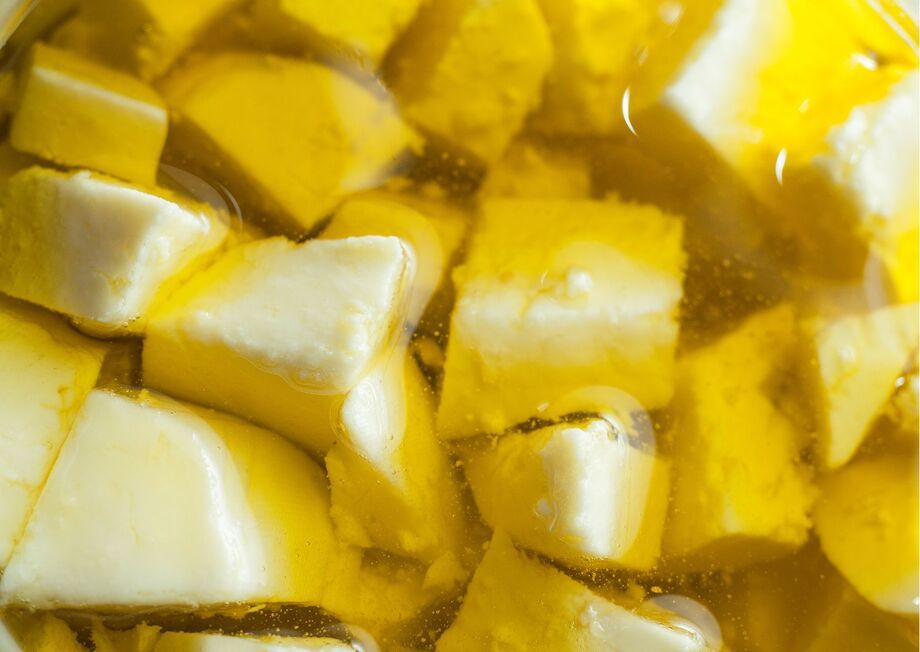
5. Olive Oil
Submerge cheese in extra virgin olive oil to extend its shelf life. This method enhances flavor, especially when combined with herbs like rosemary or oregano.
Then after you finish the cheese and are left with the remaining extra virgin olive oil, it can be reserved in a glass jar and used as a dressing for salad, pasta, or even on toast. It has a very rich cheese flavor that adds a little extra something to the previous suggestions. This is a good trick that we do all the time because we like to take advantage of everything and not waste food. This is a part of the Mediterranean cuisine!
6. Glass Cheese Preservers
The last option is to use glass cheese preservers to preserve cheese. If you select this choice then be careful since the cheese is more exposed. If the environment is very humid then you can put some dry chickpeas or a bit of uncooked rice inside to absorb the excessive humidity. This will avoid or delay the humidity that may appear in the cheese. However, in most cheeses, especially hard cheeses, the fact that some mold appears in the cut does not mean that the cheese has spoiled. It is perfectly possible to remove the moldy part with a knife and continue enjoying your favorite cheese without any risk to your health.
Cheese Storage Mistakes to Avoid
- Excessive Cold: Extreme refrigeration can make cheese dry and brittle.
- Improper Wrapping: Loose wrapping allows air exposure, promoting mold growth.
- Overcrowding: Avoid storing cheeses together, as their flavors can mix.
More Cheese Preservation Tips
- Always Allow Cheese to Reach Room Temperature: Let cheese sit at room temperature for 30 minutes before serving to enhance its flavor and texture.
- Store in the Vegetable Drawer: Use the vegetable drawer in your fridge for balanced humidity, ideal for preserving cheese.
- Rotate Stock: Use older cheeses first to prevent waste.
- Limit Handling: Handle cheese with clean utensils to avoid contamination.
- Maintain Humidity: Add a damp towel for dry environments or rice for overly humid conditions.
- Store Separately: Prevent flavor and odor mixing by wrapping each cheese individually.
Always Treat the Cheese Before Eating it
Although we have recommended that you always keep the cheese refrigerated at varying degrees depending on the type of cheese, it is important to remember that before eating it you must leave a portion of cheese out of the refrigerator at room temperature for at least half an hour. This is because you will be able to fully enjoy its flavor and organoleptic properties.
FAQs
How Long Does a Wheel of Cheese Last?
Hard cheese wheels can last several months if stored correctly. Soft cheese wheels may last up to 20 days.
Can We Freeze Cheese?
Yes, but it’s not recommended. Freezing can alter texture and flavor. If necessary, freeze in small portions to minimize quality loss.
What Temperature Should Cheese Be Stored At?
Soft cheeses: 4°C to 8°C (39°F to 46°F)
Hard cheeses: 8°C to 15°C (46°F to 59°F)
Can I Eat Cheese Past the Expiration Date?
If mold appears on hard cheeses, cut it off, and the rest is safe to eat. However, discard soft cheeses with mold or strong odors.
Conclusion
Preserving cheese properly is an art that enhances its flavor, texture, and longevity. By understanding the unique needs of different cheese types and following practical storage tips—such as using the vegetable drawer, selecting the right wrapping, and letting cheese reach room temperature before serving—you can enjoy every bite at its best. Avoid common mistakes, monitor for spoilage, and experiment with methods like olive oil or glass preservers to find what works best for you. With these strategies, you’ll not only reduce waste but also elevate your cheese experience. Happy preserving!
If you are a real cheese lover, you will definitely like our posts about:
- Experience the Richness of Mahon Cured Cheese from Menorca by Deliart®
- Cheese Board to Surprise Your Guests
- The Guide to Lactose-Free Cheese Delights
- Mastering the Art of Pairing Spanish Cheeses with Wine: A Comprehensive Guide
- Cabrales Cheese – Without Effort There is no Reward.
- Familia Gomez Moreno: A Testament to Traditional Excellence and Environmental Stewardship